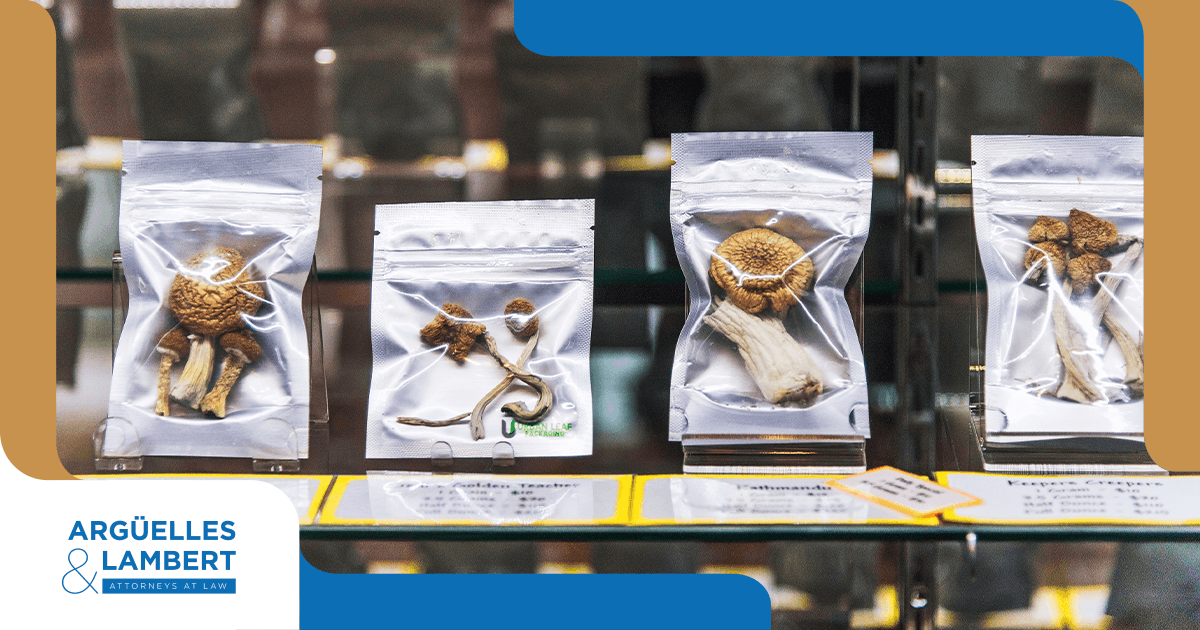
Being charged with possession of a Penalty Group 2 substance in Texas can lead to serious criminal consequences, including felony charges, large fines, and possible prison time.
Many people arrested for drug possession do not immediately understand what “Penalty Group 2” means or why prosecutors classify substances into different categories.
If you have been arrested or are under investigation, understanding how Texas treats Penalty Group 2 offenses can help you make informed decisions early in the process.
What Is Penalty Group 2 in Texas?
Texas divides controlled substances into categories called “Penalty Groups” under the Texas Health and Safety Code.
Penalty Group 2 generally includes substances that lawmakers consider dangerous because of their potential for abuse and limited accepted medical use.
Common examples may include:
- MDMA (Ecstasy)
- PCP
- Mescaline
- Certain hallucinogens
- Synthetic substances classified under Texas law
Is Possession of a Penalty Group 2 Drug a Felony?
In many situations, Yes.
Unlike some lower-level offenses, possession of Penalty Group 2 substances frequently results in felony charges depending on the quantity involved.
Less Than One Gram
Possessing less than one gram is generally charged as a:
State Jail Felony
Possible penalties may include:
- 180 days to 2 years in state jail
- Fines up to $10,000
One Gram to Four Grams
Typically charged as a:
Third Degree Felony
Possible penalties:
- 2 to 10 years imprisonment
- Significant fines
Larger Quantities
As drug weight increases, charges may escalate to:
- Second Degree Felonies
- First Degree Felonies
- Enhanced sentencing exposure
Because penalties can increase quickly, even relatively small differences in weight may matter.
What Does the Prosecutor Need to Prove?
To obtain a conviction, prosecutors generally must prove more than simply finding drugs nearby.
They often must show:
- The substance was actually a controlled substance
- The accused knowingly possessed it
- The accused exercised control over it
- Evidence connects the accused to the drugs
Possession cases frequently involve factual disputes regarding ownership, control, or knowledge.
What Are Common Defenses to Drug Possession Charges?
Every case is different, but criminal defense strategies may involve challenging:
Illegal Searches and Seizures
Police searches may create constitutional issues depending on:
- Vehicle stops
- Search warrants
- Consent searches
- Traffic stop procedures
Lack of Possession
Simply being near drugs does not automatically establish possession.
Laboratory Testing Issues
The prosecution generally must establish what substance was actually seized.
Chain of Custody Problems
Evidence handling mistakes sometimes create important legal issues.
What About Marijuana, CBD, and Hemp Laws in Texas?
Many Texans are confused because Texas laws regarding hemp products changed in recent years.
Although Texas passed legislation regarding hemp products and certain CBD-related products, marijuana possession generally remains illegal under Texas law.
Additionally:
- Marijuana concentrates may create more severe charges
- Hemp products can sometimes create confusion during arrests
- Product labeling does not always prevent criminal investigations
Because these laws continue evolving, legal guidance may be important when questions involve CBD or hemp-related products.
What Should You Do After a Drug Possession Arrest?
If you are arrested or investigated:
- Avoid discussing your case with police without legal guidance
- Avoid making statements about ownership
- Preserve paperwork and charging documents
- Speak with an attorney as early as possible
- You have the 5th and 6th Amendment rights, know and use them. “I would like to speak to a legal representative before talking with anyone.”
Early decisions after an arrest can significantly affect the direction of a criminal case.
Facing Drug Possession Charges in Texas?
Drug possession charges involving Penalty Group 2 substances can create consequences that affect employment opportunities, education, professional licensing, and future criminal exposure.
If you are facing drug possession allegations in San Antonio,New Braunfels, or surrounding areas, understanding your legal options early may be important.
Arguelles & Lambert Criminal Defense Law Firm represents individuals facing misdemeanor and felony criminal charges throughout South Texas.
If you need guidance after an arrest or investigation, contact our team today for a free legal consultation with an experienced drug possession lawyer in Texas.
Disclaimer: This article is provided for informational purposes only and does not constitute legal advice. Reading or accessing this content does not create an attorney-client relationship. Every legal matter is unique, and you should consult a qualified attorney regarding your specific circumstances. Contacting our firm does not establish an attorney-client relationship. Please do not send any confidential or sensitive information until an attorney-client relationship has been formally established.